
Earthquakes, techno authoritarianism and border disputes - welcome to AFCON 2025
The African Cup of Nations is back, this time more geopolitically charged than ever

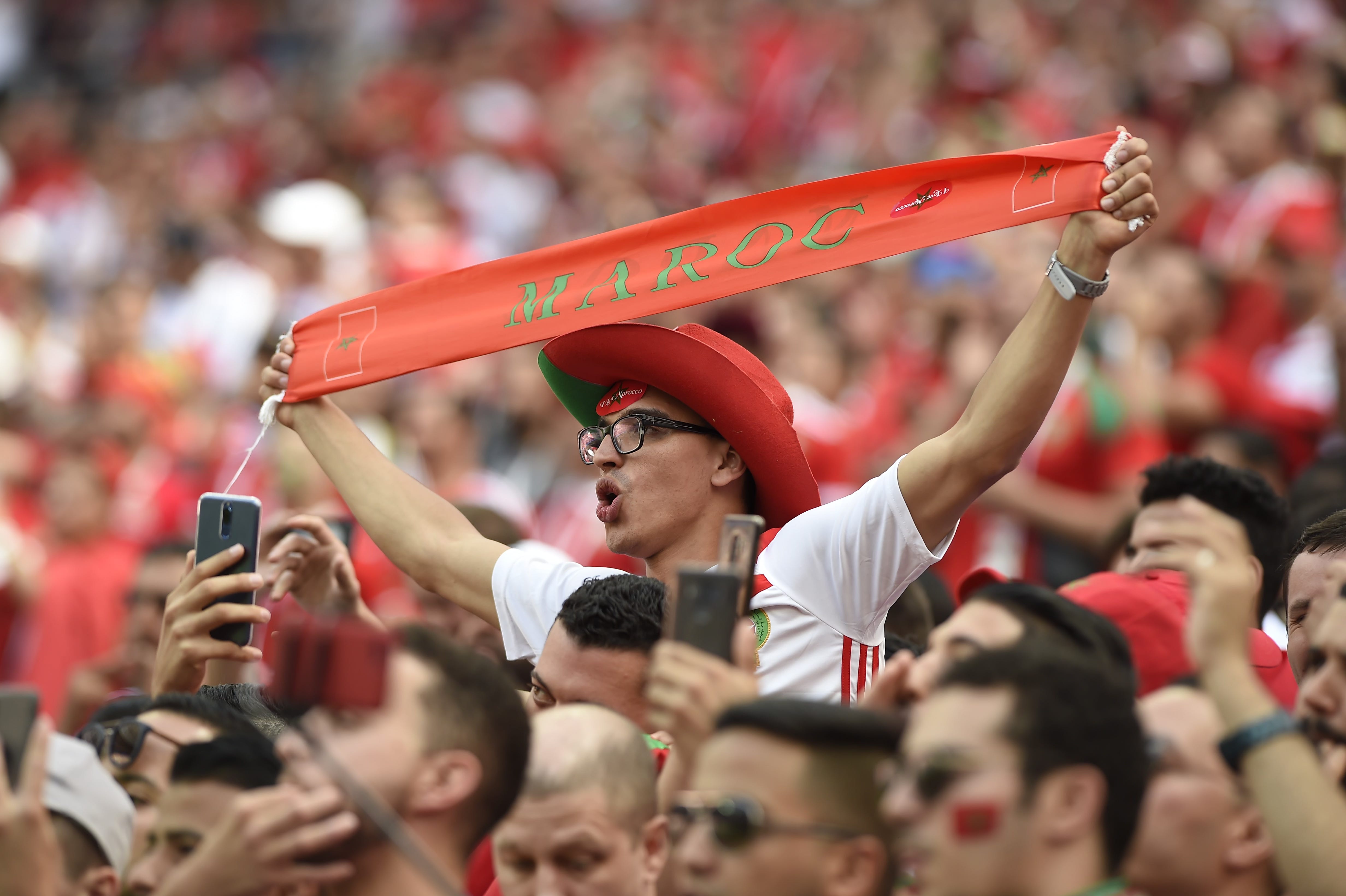
The Moroccan men’s team’s success at the 2022 FIFA World Cup in Qatar raised the profile of, as well as expectations about, the development of African football.
Since then, in November 2025, the country’s men’s team secured the FIFA Under-20 World Cup trophy.
Otherwise, during this year’s Northern hemisphere’s summer, the country staged the first of five women’s Under-17 World Cup tournaments it will host.
Hosting of this event will conclude in 2029, just prior to the country’s hosting of the 2030 men’s World Cup (alongside Spain and Portugal).
Now though Morocco is getting ready to host this season’s edition of the African Cup of Nations, it’s national team right now hovering just outside the top-10 of FIFA’s men’s national team ranking.
Overall, the picture for Africa could be better - there are only six of the continent’s men’s teams in FIFA’s top-50.
And the same could be said for Moroccan hosting, the preparations could have been better.
In recent months, GenZ protests have gripped some of the country’s cites, young people protesting issues of equality and the provision of services such as health care and education.
Protestors have specifically referenced the amount of money being spent on football by the country’s government, which is currently building the world’s biggest stadium in preparation for 2030.
It remains to be seen what these protestors (and others) will make of an announcement on November 14th that Morocco will establish a production facility for small tactical attack drones.
Its industrial partner will be Israel Aerospace Industries, which retains very strong links to the government in Tel Aviv.
Although this year’s AFCON has come too early for some stadiums, government in Rabat has reportedly allocated upwards of $2billion on stadium construction, this taking place at a time when tens of thousands of people remain homeless following a 2023 earthquake in the Atlas mountains.
One revenue source that is helping to fund such a lavish construction project are phosphates, of which 70% are supplied to the world by Morocco.
However, this is a major point of controversy with neighbouring Algeria which is partly linked to arguments about the status of South Sahara.
Currently, the border between Algeria (an AFCON qualifier) and Morocco is closed, indeed the former has even threatened to boycott the tournament because of the way in which the latter intends to process entry requests.
There are plenty of other plots and sub-plots both on and off the field to look out for.
For instance, Rwanda won’t be appearing in the competition though its neighbour DR Congo will; tensions have been running high between them, which have spilled over into football.
As always seems to be the case, Nigeria will be contenders for the AFCON title despite not qualifying for the 2026 FIFA World Cup.
Its women’s team did rather better earlier this year, winning AFCON earlier in the year.
Even so, Nigeria seems unsure about how best to capitalise upon its pre-eminence in projecting soft power through sport, though the accusation could be levelled at most of the tournament’s competing nations.
Only one of them (South Africa) appeared in a sport and soft power ranking published earlier this year.
Meanwhile, the appetite for using AFCON to seize economic and geopolitical opportunities remains; the official title sponsor – France’s Total Energies – has previously been accused of engaging in fossil fuel colonialism and green washing linked to its AFCON deals.
Hong Kong based Techno – a smart phone manufacturer – may seem to be doing good business by partnering with the event (by 2030, it is estimated that there will be almost one billion mobile phones in Africa), but some observers accuse such companies of being proxies for China’s political interests in Africa and label their involvement as techno authoritarianism.
China’s natural resource ambitions – often manifest through stadium diplomacy - will simmer in the background of this AFCON, unsurprising given Morocco’s close relationship with the United States and Donald Trump.
However, the issue of overseas diasporas will likely dominate conversations again, especially when assessing the composition of teams’ starting elevens.
There’s sure to be some great football on offer in Morocco, yet it’s arguable that the more fascinating action will be taking place elsewhere.