
Mega event narratives - when a problem isn't a problem
With less than two years to go to the 2026 FIFA men's World Cup, there has been silence about the challenges it faces

Only one week into his term in office, Alejandro Arcos - the newly elected mayor of Chilpancingo in Mexico - was recently decapitated by a local drugs gang.
This follows the assassination of sixty politicians earlier this year in the run up to Mexico’s general election.
Since 2000, one hundred and sixty-three journalists have been murdered in Mexico.
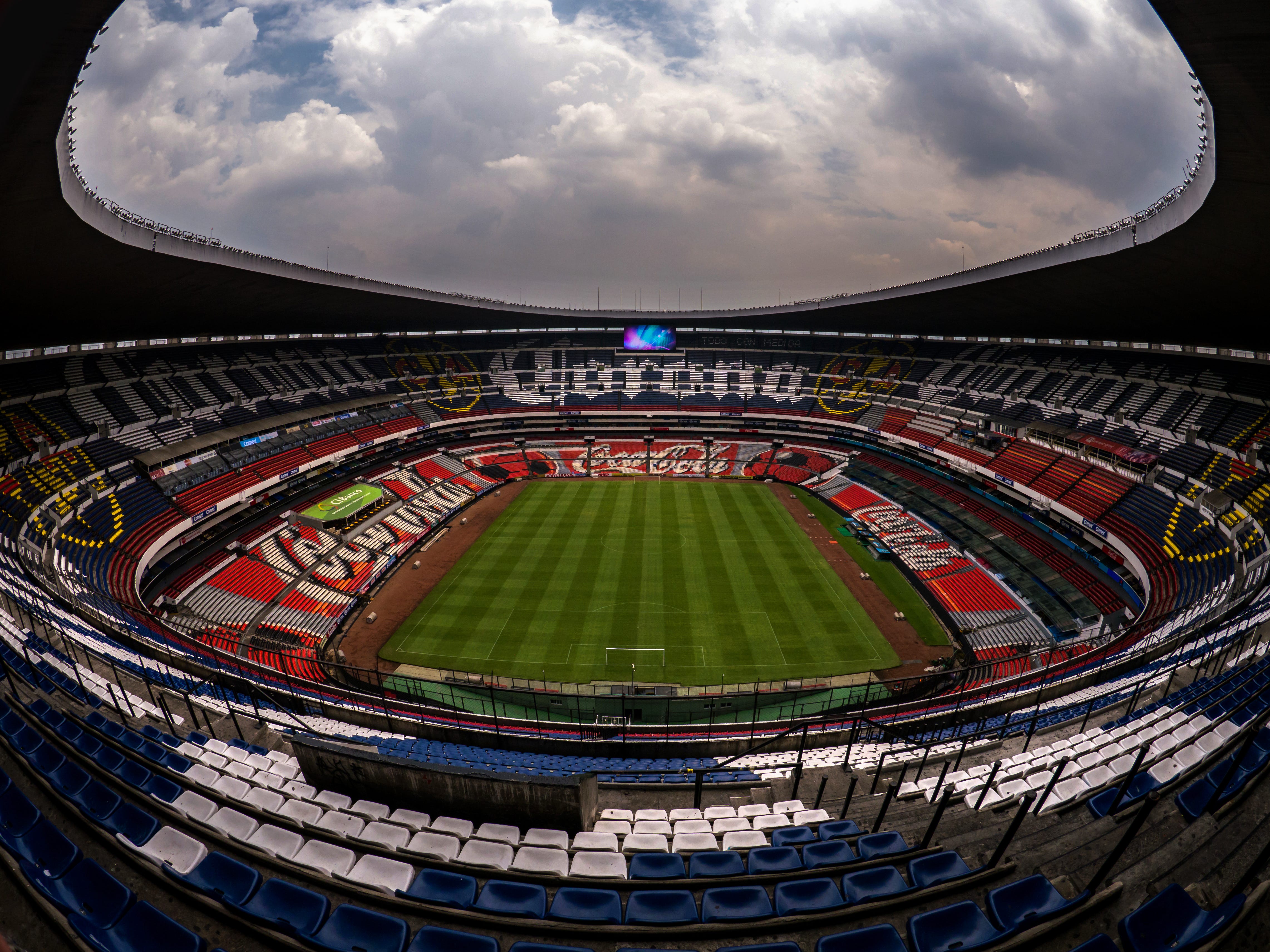
When the 2026 FIFA men’s World Cup takes place, Mexico will host thirteen games.
Co-tournament host the United States will stage seventy-eight games.
Thus far in 2024, almost twelve thousand people have been shot dead in the United States.
Looking back at previous World Cups, narratives very quickly built up around host nations, in some cases leading to calls for tournament boycotts.
In 2034, it is highly likely that Saudi Arabia will stage the men’s World Cup.
It seems inevitable that the murder of journalist Jamal Khashoggi in Saudi Arabia’s Istanbul embassy will play some part in the tournament narrative.
However, for the time being Mexico and the United States (and, for that matter, Canada) have yet to receive the same level of global scrutiny that other countries have.
Why this is the case makes for an interesting question.
But with hundreds of thousands of fans likely to head to the event in 2026, and with sponsors, broadcasters, officials, and countless others also in attendance, the risks appear obvious.
Yet few at the moment talk about any of this being a problem.
Couldn’t agree more.