
The multi-million dollar World Cup advertising campaigns now dwarfing their Superbowl rivals
From Adidas's 'Backyard Legends' to Brahma beer's 'Let Yourself Believe', football's biggest tournament is now a magnet for brands

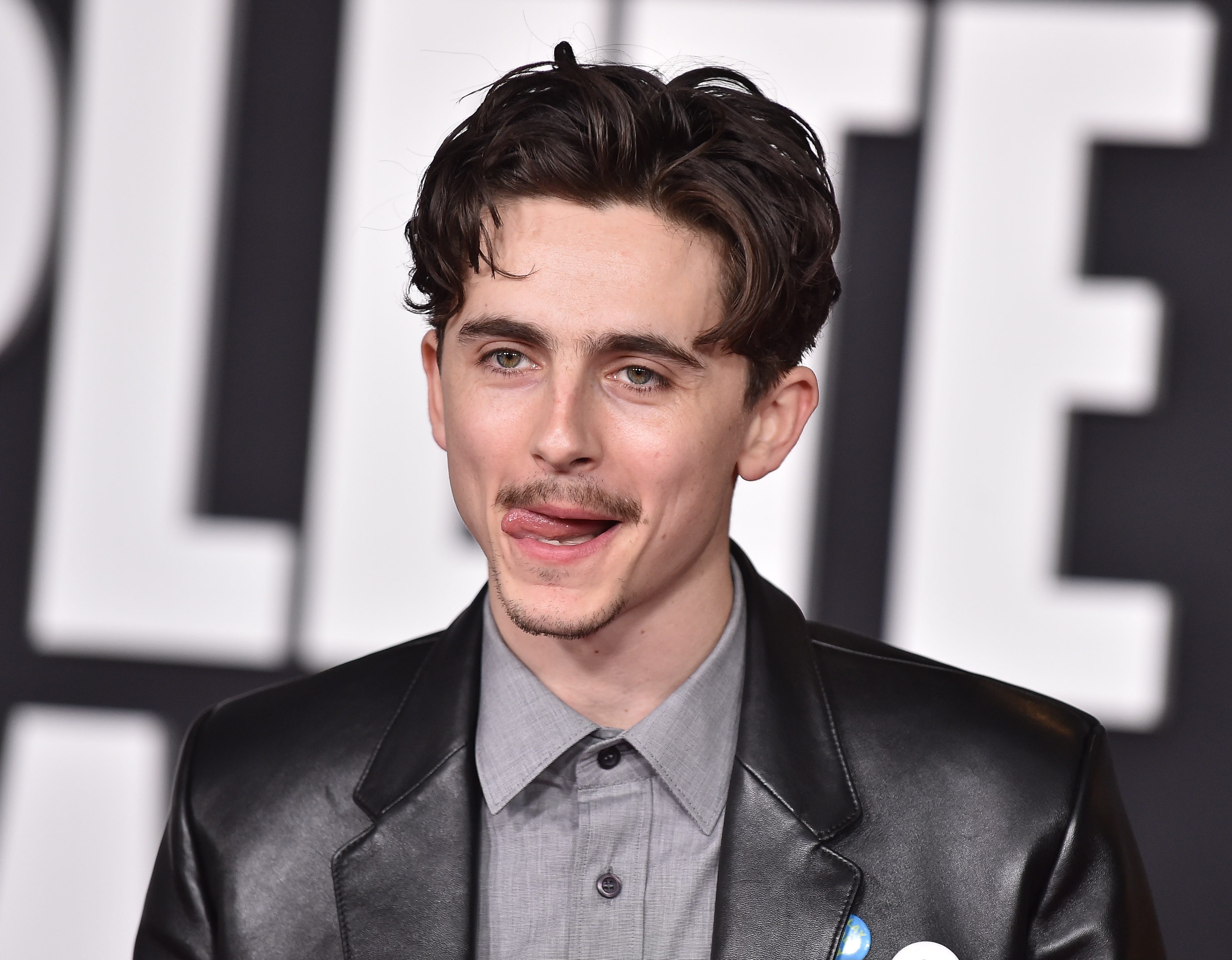
Movie star Timothee Chalamet’s latest blockbuster isn’t a Hollywood epic, it’s an advert for sports apparel.
Ahead of the World Cup, German brand Adidas recently released a five-minute promotional film—Backyard Legends— in which the actor stars alongside Spanish soccer player Lamine Yamal, his English counterpart Jude Bellingham and U.S. star Trinity Rodman.
It isn’t known what Chalamet was paid by the apparel giant, though estimates indicate that the film may have cost $64 million to make.
Adidas officials are nevertheless likely to see this as money well spent given the acclaim the film has received, though sales figures and share prices will ultimately be a more accurate measure of its success.
Even so, Backyard Legends has raised the bar for World Cup advertising, leading some observers to ask whether soccer’s premier global tournament is beginning to rival the Super Bowl and its long-held reputation as an advertising showpiece.
Estimates for ad spending on Superbowl Sunday indicate that network revenue from ad slots alone can reach $600 million for the single-day event
The World Cup is a different matter, most notably because there will be 104 matches leading to predictions that in the U.S. alone, ad spending will reach $850 million.
Though the two events have different formats, the advertising creativity they nevertheless induce is very similar, one commentator concluding that ads are a cultural mirror on contemporary life.
Which begs the question, what are Chalamet, his co-stars, and others actually reflecting?
For starters, the global battle for eyeballs and consumer dollars is intense, and in the sports apparel category, the likes of Nike will be out to seize sales and territory from their German rival.
Understanding advertiser and endorser relationships can give companies a competitive advantage in fending off the potential market entry of rival brands.
It also reveals that authenticity and narrative are important; Backyard Legendsis based upon a true story about an unbeaten soccer team, which dates back to the 1990s.
Brands appear to be seeking consumer engagement through resonance and truth rather than fabrication.
Nostalgia is an important part of this hence brands such as Brazilian beer Brahma recall past halcyon days, the alcoholic beverage business calling upon fans and consumers to “Let Yourself Believe”, using footage of past national team successes to reinforce the message.
The nostalgia motif is also played out through music, appropriately illustrated by the use of rap music throughout Backyard Legends, perhaps most notably via tracks such as Busta Rhymes’, “Woo-Hah!! Got You All In Check.”
If there’s one obvious recurrence across World Cup ads then it is David Beckham, indeed in a top-10 list of this summer’s best tournament ads the former England international appears in four of them.
He’s there in Adidas’s ad, but also in Lay’s, Pepsi’s, and Stella Artois’s.
Beckham always was a marketer’s dream, with his pop star wife, endless new hairstyles, and a burgeoning tattoo collection (before such bodily markings became ubiquitous) marking him out in the 2000s as the quintessential metrosexual male
There’s still considerable equity in Brand Beckham, especially with millennials, but his appeal nowadays also comes via his European connections to the U.S., Inter Miami, Lionel Messi, Florida and that state’s large Hispanic, football-obsessed community.
Yet, the sense of “Soccer Americana” evident across multiple adverts isn’t just restricted to a single socio-demographic group, for instance Will Ferrell (a long-time soccer fan) appears in the Lay’s ad as brands grapple with engaging U.S. audiences that may not normally have a natural affinity with soccer.
One aspect of contemporary life that has seemingly spooked all advertisers is the potential for controversy.
In a complex world of polarization and conflict, advertisers have attempted to sidestep difficult issues by using unity and humor alongside authentic storytelling, cool music and famous faces.
Lego’s Everyone Wants a Piece advert is one example of this albeit somewhat contrived in nature, although one reason for this could be that it marks the first time in history that they Danish toy brick business has had an official association with FIFA.
Even so, this approach – alongside that of others – is a far cry from the not-so-distant past when Nike deployed the likes of Colin Kaepernick in its ‘Dream Crazy’ ad campaign.
Companies and brands have been highly cautious, fearing they could alienate the Trump administration or inflame tensions in the U.S.
Still, no matter what politicians might be thinking, those who are the target of all these ads — soccer fans and other consumers —are worried that they are starting to get just as much attention as matches themselves.
With rumors circulating that the World Cup final’s halftime show may be extended to thirty minutes — similar to the Super Bowl — the opportunities for advertisers will likely increase.
This is all a long way from the original backyard legends, though the cost of Adidas’ World Cup ad alone provides evidence of how contemporary life is changing.