
Global Gen Z protests highlight an inconvenient truth for sport
The drive to engage with this socio-demographic group ignores the fact that many people see sport as being out of touch and unacceptably expensive

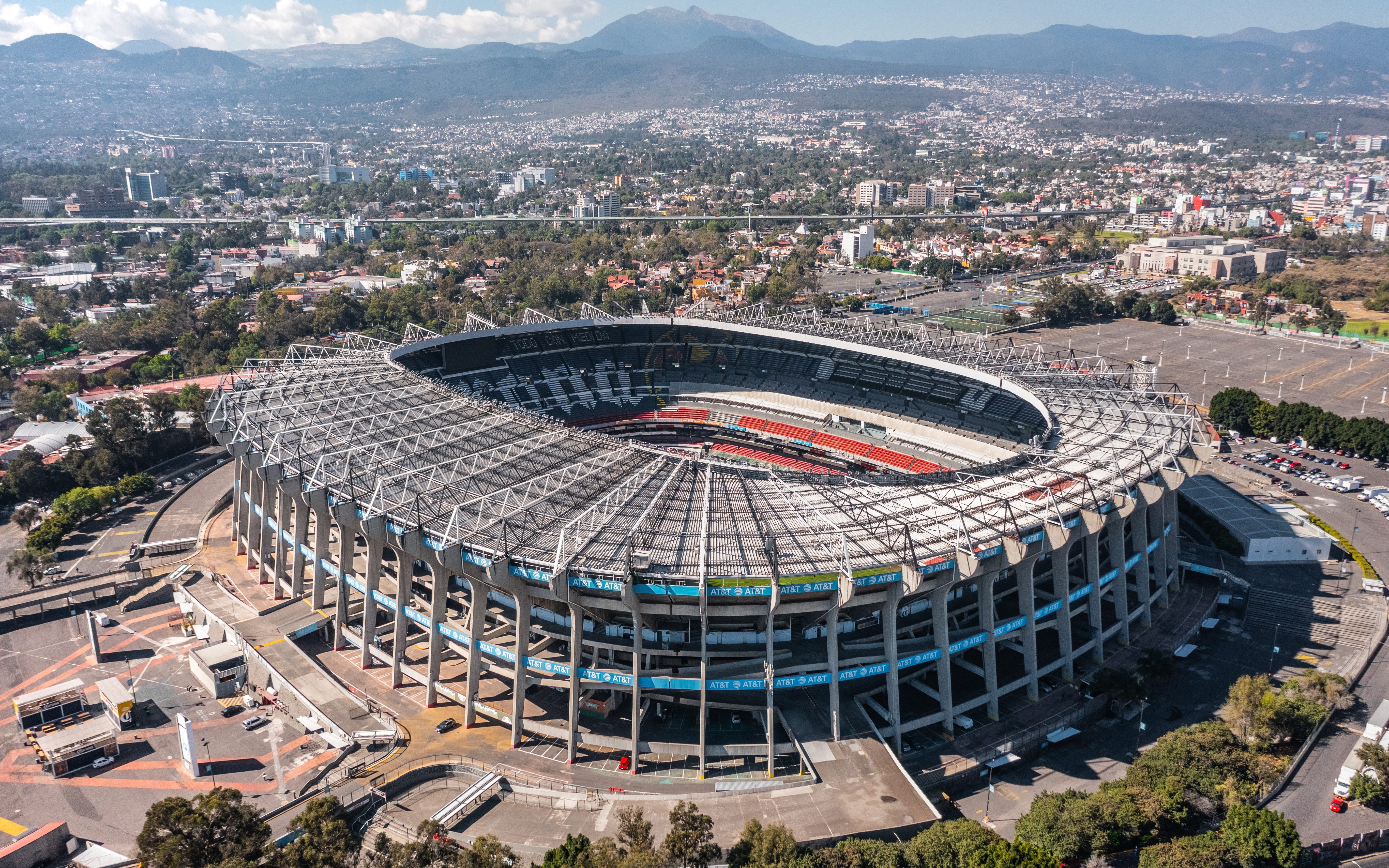
Protests have recently broken out in Mexico, little more than six months away from the start of FIFA’s 2026 men’s World Cup.
The tournament will be co-hosted by the Central American country, alongside the United States and Canada.
Instigated by what media outlets are labelling as ‘Gen Z groups’, the protests have been a response to organised gangs, often linked to drugs, which have been responsible for the assassinations of both journalists and politicians.
Last year, Geosport examined growing violence ahead of football’s showcase national team event; meantime the numbers of dead have continued to grow.
One estimate indicates that more than 160 journalists have been killed since 2000, whilst upwards of 1,700 journalists have been assassinated since 2015.
Mexican president Claudia Sheinbaum is accused of failing to address the spate of killings hence the latest actions by young people.
Although not the primary focus of their demonstrations, protestors are also concerned about real estate speculation triggered by World Cup preparations.
Some residents near Mexico City’s Azteca Stadium worry that renovation and development will accelerate gentrification, displace local communities, worsen housing pressures, and damage green spaces.
A survey undertaken among 18–29 year-olds in Mexico has shown that there is very limited interest in the 2026 World Cup.
The attribution of protests to Gen Z groups is growing around the world; Bangladesh, Botswana, Indonesia, Kenya, and the Philippines are among other countries where there have been protests.
Geosport has already written about developments in Morocco, where there has been a growing backlash against the costs of it staging the 2030 edition of FIFA’s showcase event.
Protestors have called for more spending on health care and education rather than on staging expensive football tournaments.
Ironically, Gen Z concerns about the likes of FIFA’s World Cup have arisen at a time when football’s global governing body has been making concerted attempts to engage the socio-demographic group.
This preoccupation isn’t just confined to football, sport in general conceives of Gen Z as being an important source of revenue and customer lifetime value.
There are endless reports on the subject, this being one of them.
Nevertheless, a common concern in the sport industry is that Gen Z has forgotten the importance of sport.
Recent protests however show that members of Gen Z remain hugely aware of sport’s importance, as well as its costs and political significance.
Global sport’s governors and backers may preoccupy themselves with how to make money from young people, yet in doing so they forget about what matters most to members of Gen Z.
Equity, fairness, and justice, allied to meeting local needs, providing good quality public services and addressing sustainability issues are important to them.
In this respect, extracting financial value from members of Gen Z and creating new products that appeal to them are an ill informed, misguided ways of ensuring engagement.
Sport should listen to their concerns and respond, rather than simply trying to sell them more.